
Complete Digital Marketing Roadmap 2026: The Ultimate Beginner-to-Advanced Guide
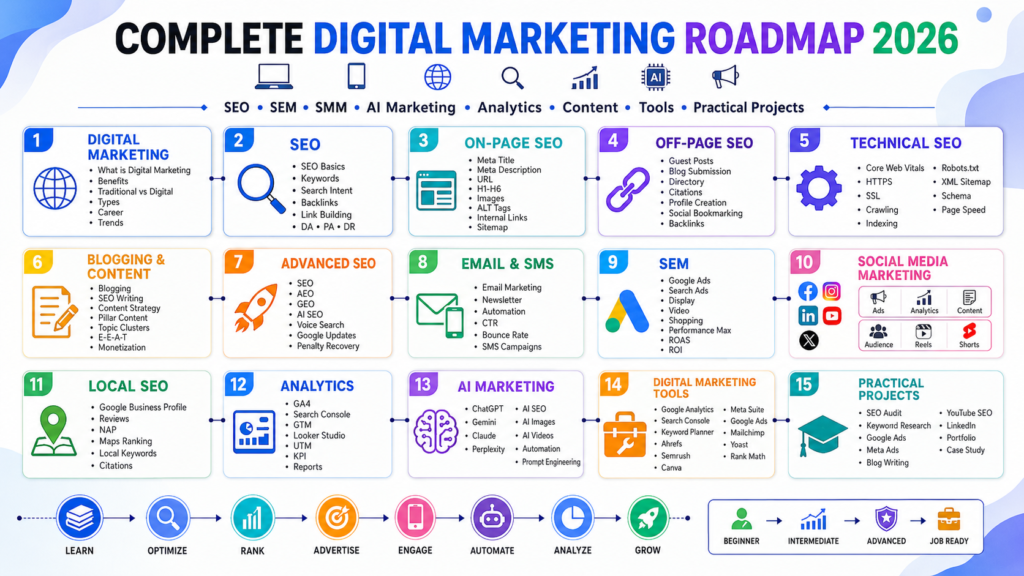
Introduction to Digital Marketing
Digital marketing has changed the way businesses connect with people. Today, millions of users search for products, compare prices, read reviews, and make purchases online. Because of this shift, companies of every size use digital marketing to reach the right audience at the right time.
Unlike traditional advertising, digital marketing allows businesses to communicate directly with customers through websites, search engines, social media, email, and mobile apps. It is cost-effective, measurable, and helps brands grow faster in a competitive market. Whether you own a small business or a global company, digital marketing has become an essential part of success.
What is Digital Marketing?
Digital marketing is the process of promoting products, services, or brands using digital platforms such as search engines, social media, websites, email, and mobile applications. The main goal is to attract potential customers, build trust, generate leads, and increase sales.
For example, when a person searches for “best smartphones under ₹20,000” on Google or watches a product review on YouTube, they are interacting with digital marketing. Businesses use different online strategies to reach customers where they spend most of their time.
Traditional Marketing vs Digital Marketing
Traditional marketing includes newspapers, magazines, television, radio, billboards, and printed flyers. These methods reach a broad audience but often require a high budget and provide limited performance tracking.
Digital marketing, on the other hand, uses online channels to target specific audiences based on age, location, interests, and behavior. Businesses can monitor campaign performance in real time, optimize strategies, and achieve better results with a lower investment.
As internet usage continues to grow, digital marketing has become the preferred choice for businesses looking to increase visibility and customer engagement.
Importance of Digital Marketing
Digital marketing plays a vital role in helping businesses succeed in today’s digital world. Most customers begin their buying journey online, making a strong digital presence more important than ever.
It helps businesses increase brand awareness, connect with potential customers, build lasting relationships, and compete with larger brands. Since every campaign can be measured, companies can improve their marketing strategies based on real data instead of assumptions.
A well-planned digital marketing strategy supports long-term business growth and improves customer satisfaction.
Benefits of Digital Marketing
One of the biggest advantages of digital marketing is its ability to deliver measurable results. Businesses can track website traffic, conversions, customer behaviour, and return on investment (ROI) using powerful analytics tools.
Other key benefits include lower marketing costs, global audience reach, better customer engagement, personalized marketing campaigns, faster communication, and higher conversion rates.
Whether the goal is increasing sales, generating leads, or improving brand recognition, digital marketing offers flexible solutions for businesses of every size.
Types of Digital Marketing
Digital marketing includes several specialized techniques that work together to achieve business goals.
- Search Engine Optimization (SEO) improves website rankings on search engines.
- Search Engine Marketing (SEM) increases visibility through paid advertisements.
- Social Media Marketing (SMM) builds brand awareness on platforms like Instagram, Facebook, LinkedIn, and X.
- Content Marketing attracts customers by sharing valuable blogs, videos, and guides.
- Email Marketing nurtures customer relationships through personalized communication.
- Affiliate Marketing allows partners to promote products and earn commissions.
- Influencer Marketing uses trusted creators to promote products.
- Video Marketing engages audiences through platforms like YouTube and short-form videos.
Each method serves a different purpose, but together they create a strong digital marketing strategy.
How Digital Marketing Works
Digital marketing follows a step-by-step process that focuses on attracting, engaging, and converting customers.
First, businesses identify their target audience and understand their needs. Then they create valuable content, optimize websites for search engines, run social media campaigns, and launch paid advertisements. Visitors interact with the content, and businesses collect valuable data using analytics tools.
By analyzing customer behavior, marketers continuously improve campaigns, increase conversions, and maximize return on investment. This data-driven approach makes digital marketing more effective than traditional methods.
Career Opportunities in Digital Marketing
The demand for digital marketing professionals continues to grow as more businesses move online. Companies need skilled experts to manage their online presence, improve search rankings, create engaging content, and run successful advertising campaigns.
Popular career options include SEO Specialist, Social Media Manager, PPC Expert, Content Writer, Digital Marketing Executive, Email Marketing Specialist, Web Analyst, Affiliate Marketer, Marketing Automation Specialist, and Digital Marketing Manager.
Freelancing, remote work, and digital agencies also provide excellent career opportunities. With the right skills and certifications, professionals can build a rewarding career in this fast-growing industry.
Search Engine Optimization (SEO)
SEO (Search Engine Optimization) is the process of improving a website so it ranks higher on search engines like Google. Better rankings increase organic traffic, visibility, and business growth.
Introduction to SEO
SEO helps search engines understand your website and show it to the right audience. It focuses on improving content, website structure, and user experience.
Types of SEO
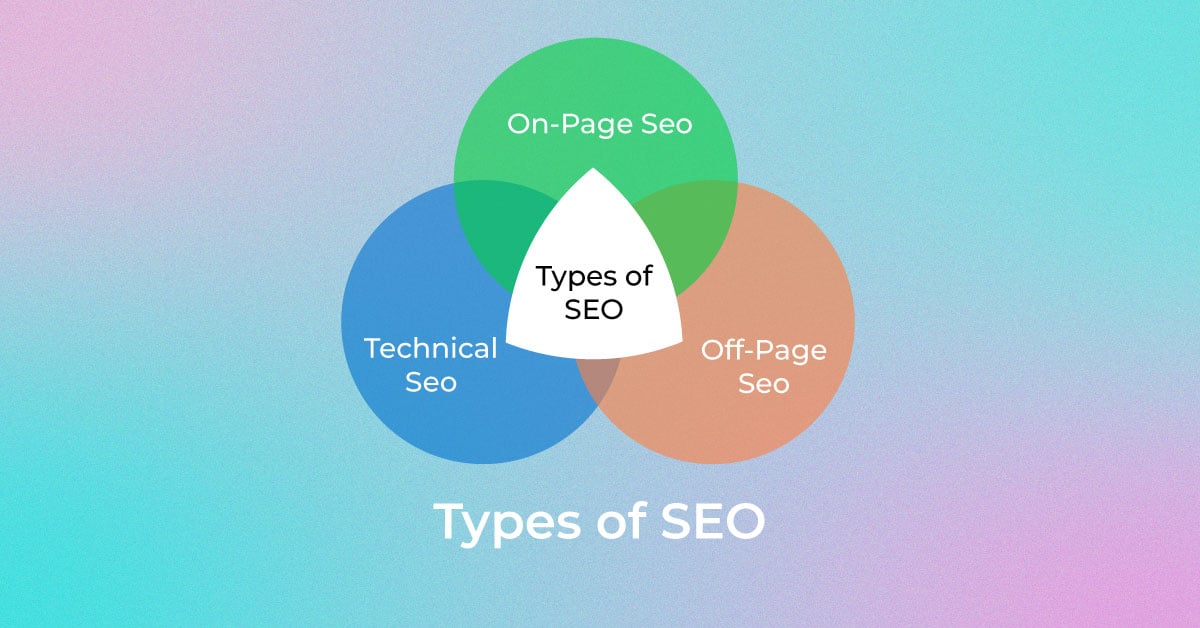
SEO has three main types: On-Page SEO, Off-Page SEO, and Technical SEO. Each type works together to improve website performance and search rankings.
Importance of SEO
SEO increases website visibility, attracts targeted visitors, and builds brand credibility. It also provides long-term results without relying only on paid ads.
How Search Engines Work
Search engines crawl websites, index their pages, and rank them based on relevance and quality. The best and most useful pages appear at the top of search results.
Keyword Research
Keyword research identifies the words users search for online. Choosing the right keywords helps create content that matches user needs.
What is a Keyword?
A keyword is a user search query. a word or phrase that people type into a search engine to find relevant websites, information, products, or services.
Types of Keywords
Head keywords are broad, body keywords are more specific, short-tail keywords have one or two words, and long-tail keywords are detailed phrases with lower competition.
What is Keyword Search Intent?
Keyword Intent is the purpose behind a user’s search query. It helps identify what users want to achieve when searching online and guides you in creating content that matches their needs.
Types of Keyword Search Intent:
- Informational – Users want to learn or find information.
- Navigational – Users want to visit a specific website or page.
- Commercial – Users are researching products or services before making a purchase.
- Transactional – Users are ready to take action, such as buying or signing up.
KRA (Keyword Research Analysis)
KRA analyzes keyword search volume, competition, trends, and relevance. It helps marketers choose keywords with the highest ranking potential.
Keyword Research Tools
Popular tools include Google Keyword Planner, Ahrefs, SEMrush, Ubersuggest, and Moz. These tools provide keyword ideas and competition data.
Competitor Keyword Analysis
Competitor keyword analysis studies which keywords competitors rank for. It helps discover new opportunities and improve SEO strategy.
Keyword Mapping
Keyword mapping assigns specific keywords to individual website pages. This prevents duplication and improves search engine rankings.
Keyword Cannibalization
Keyword cannibalization happens when multiple pages target the same keyword. This confuses search engines and reduces ranking potential.
What is a Backlink?
A backlink is a link from another website pointing to your website. Quality backlinks improve trust, authority, and search rankings.
Types of Backlinks
Types of Backlinks are the different categories of links that point from one website to another. Each type has a different impact on SEO and website rankings. Understanding backlink types helps you build a stronger and more effective link-building strategy.
Link Building
Link building is the process of earning quality backlinks from relevant websites. Strong link-building strategies improve domain authority and organic rankings.
Inbound Links
Inbound links are backlinks from external websites to your website. They increase credibility and signal trust to search engines.
Outbound Links
Outbound links point from your website to another trusted website. They improve content quality and provide additional value to users.
Internal Links
Internal links connect pages within the same website. They improve navigation, user experience, and help search engines crawl the site.
External Links
External links direct users to pages on different websites. Linking to reliable sources increases content credibility.
Link Juice
Link Juice is the SEO value or authority that one webpage passes to another through a backlink. When a trusted, high-quality website links to your page, it transfers some of its authority, which can help improve your search rankings.
Example: Imagine a famous teacher recommends you to a company for a job. Because the recommendation comes from someone trusted, the company is more likely to trust you. In the same way, if a high-authority website links to your page, Google sees your website as more trustworthy and valuable.
Domain Authority (DA)
Domain Authority (DA) is a Moz metric that predicts a website’s ability to rank. Higher DA usually indicates stronger website authority.
Page Authority (PA)
Page Authority (PA) measures the ranking strength of a single webpage. It is based on link quality and other SEO factors.
Domain Rating (DR)
Domain Rating (DR) is an Ahrefs metric that measures the strength of a website’s backlink profile. A higher DR often means stronger link authority.
URL Rating (UR)
URL Rating (UR) measures the backlink strength of an individual webpage. It helps estimate how well a page can rank.
Dofollow Links
A DoFollow link is a backlink that passes Link Juice (SEO value) from one website to another. It helps improve your website’s authority and can increase its rankings in search engine results.
Example: If a trusted website links to your blog with a DoFollow link, Google treats it as a recommendation and may rank your page higher.
Nofollow Links
A NoFollow link is a backlink that tells search engines not to pass Link Juice (SEO value) to the linked page. It may not directly improve rankings, but it can still bring visitors and increase brand visibility.
Example: A link from a blog comment or social media profile is often NoFollow. It can send traffic to your website, even though it usually doesn’t pass SEO authority.
On-Page SEO
On-Page SEO is the process of optimizing individual web pages so they can rank higher in search engine results and provide a better experience for users. It involves improving the page’s content, keywords, headings, images, HTML elements, internal links, and overall page structure. The goal is to help search engines understand your content while making it useful, relevant, and easy for visitors to read and navigate.
Meta Title Optimization
A meta title is the clickable headline shown in search results. It should include the primary keyword and stay within 50–60 characters.
Meta Description Optimization
A meta description summarizes the webpage for users and search engines. Write a clear description with keywords in about 150–160 characters.
URL Optimization
A good URL is short, readable, and includes the main keyword. Avoid unnecessary numbers, symbols, or long strings.
Header Tags (H1–H6)
Header tags organize content into sections and improve readability. Use one H1 for the main title and H2–H6 for subheadings.
Content Optimization
Content should be original, informative, and valuable to readers. Use simple language and naturally include relevant keywords.
Keyword Placement
Place the primary keyword in the title, URL, headings, first paragraph, and conclusion. Avoid keyword stuffing and write naturally.
Image Optimization
Optimize images by reducing their file size without affecting quality. This helps web pages load faster, improves user experience, and supports better SEO performance. Use descriptive file names and Alt Text so search engines can understand your images and improve their visibility in search results.
ALT Text Optimization
ALT text describes images for search engines and screen readers. Include relevant keywords only when they fit naturally.
Internal Linking
Internal links connect pages within the same website. They improve navigation and help search engines discover content.
External Linking
External links point to trusted websites with relevant information. They increase credibility and provide additional value to users.
Anchor Text Optimization
Anchor text is the clickable text in a hyperlink. Use descriptive words instead of generic phrases like “click here.”
Landing Page Optimization
A landing page should have a clear headline, engaging content, and a strong call-to-action. It should load quickly and encourage conversions.
Breadcrumbs
Breadcrumbs are a navigation path that shows users where they are on a website and how they reached the current page. They make it easier to move back to previous pages and help search engines understand the website’s structure.
Example:
Home > Blog > SEO > On-Page SEO
This path shows that the user is currently on the On-Page SEO page inside the SEO category.
Canonical Tags
A canonical tag tells search engines which version of a page is the original. It helps prevent duplicate content issues.
Example:
These two URLs show the same content:
https://example.com/shoeshttps://example.com/shoes?color=black
By adding a canonical tag pointing to https://example.com/shoes, search engines understand that it is the main version of the page and should be indexed.
Indexing
Indexing is the process of adding web pages to a search engine’s database. Only indexed pages can appear in search results.
Caching
Caching stores website files temporarily to load pages faster. Better page speed improves user experience and SEO performance.
XML Sitemap
An XML sitemap lists important website pages for search engines. It helps crawlers find and index content more efficiently.
Robots.txt
The robots.txt file tells search engine bots which pages they can or cannot crawl. It helps manage website indexing.
404 Error Pages
A 404 error appears when a page cannot be found. A custom 404 page helps users continue browsing instead of leaving the website.
Pagination
Pagination divides long content into multiple pages. Proper pagination improves navigation and enhances user experience.
Example:
On an e-commerce website, instead of showing 1,000 products on one page, the products are divided into multiple pages:
Page 1 | Page 2 | Page 3 | Next →
This makes it easier for users to find products and browse the website.
Mobile-Friendly Content
Mobile-friendly content adapts to different screen sizes and devices. Responsive websites provide a better experience and rank higher in mobile search results.
Off-Page SEO
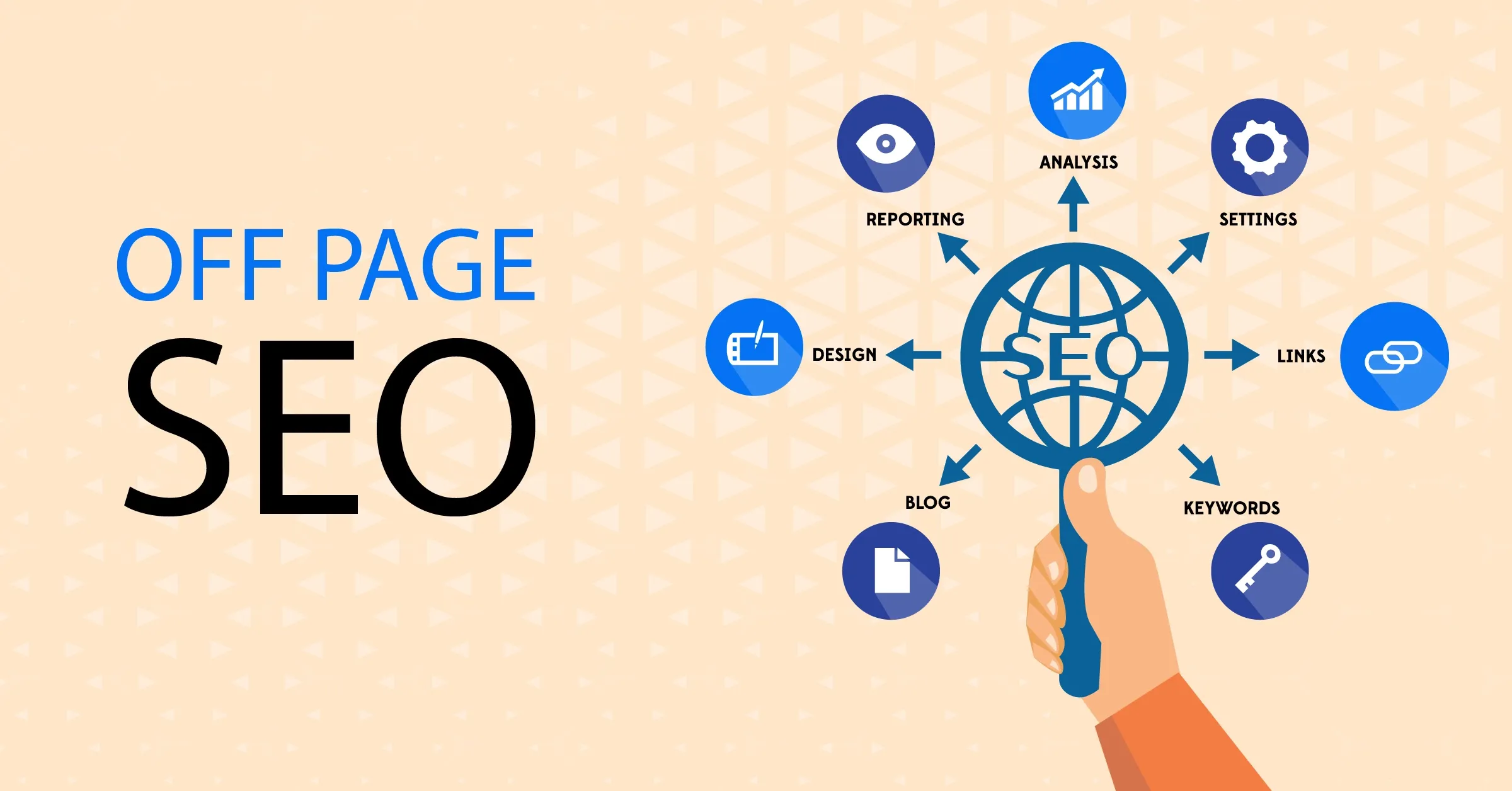
Off-Page SEO includes activities performed outside your website to improve search engine rankings. It mainly focuses on building authority, trust, and quality backlinks.
Link Building
Link building is the process of getting backlinks from other websites. Quality backlinks help improve domain authority and increase organic traffic.
Link Building Techniques
Popular techniques include guest posting, broken link building, skyscraper content, and resource page outreach. Focus on earning natural and relevant backlinks.
Link Building Strategy
A strong strategy starts with creating valuable content and reaching out to trusted websites. Consistency is more important than building many low-quality links.
White Hat vs Black Hat SEO
White Hat SEO follows Google’s guidelines using ethical methods. Black Hat SEO uses manipulative techniques that may result in search engine penalties.
Do’s & Don’ts in Link Building
Earn links from relevant and trusted websites. Avoid buying backlinks, link farms, and spammy practices that can harm your rankings.
Submission Sites
Submission sites allow you to promote your website across different online platforms. They help improve visibility and create quality backlinks.
Directory Submission
Directory submission adds your website to online business directories. Choose high-authority and niche-specific directories for better SEO value.
Search Engine Submission
Search engine submission informs search engines about your website. Modern search engines usually discover websites automatically through sitemaps.
Social Bookmarking
Social bookmarking shares webpages on bookmarking platforms. It helps increase website exposure and drive referral traffic.
Business Listing
Business listings display your company information on local directories. Accurate details improve local SEO and customer trust.
Web 2.0 Submission
Web 2.0 submission involves publishing content on free blogging platforms. High-quality articles with relevant links can support SEO.
Article Submission
Article submission means publishing informative articles on trusted websites. Valuable content attracts readers and quality backlinks.
Blog Submission
Blog submission shares your blog on blog directories and communities. It increases content visibility and encourages organic traffic.
Guest Posting
Guest posting involves writing articles for other websites in your niche. It builds authority while earning high-quality backlinks.
Blog Commenting
Blog commenting means leaving meaningful comments on relevant blogs. Avoid spam and contribute valuable insights to discussions.
Forum Submission
Forum submission allows you to answer questions and participate in discussions. Helpful responses build credibility and referral traffic.
PPT Submission
PPT submission shares presentations on document-sharing websites. Include useful content and relevant website links where appropriate.
PDF Submission
PDF submission uploads informative documents to document-sharing platforms. Well-written PDFs can generate backlinks and website visits.
Image Submission
Image submission shares optimized images on image-sharing websites. Use descriptive file names and ALT text for better visibility.
Infographic Submission
Infographics present information visually and are easy to share. They often attract backlinks because people like referencing visual content.
Video Submission
Video submission publishes videos on platforms like YouTube. Optimized titles, descriptions, and tags improve discoverability.
Audio Submission
Audio submission shares podcasts or audio content on streaming platforms. It helps expand audience reach and strengthen brand awareness.
Press Release Submission
Press releases announce company news or events on media platforms. Newsworthy content can generate authority and backlinks.
Classified Submission
Classified submission promotes products or services through classified websites. It can drive targeted traffic and improve online visibility.
Q&A Submission
Q&A submission answers user questions on discussion platforms. Helpful and genuine answers build trust and attract visitors.
Profile Creation
Profile creation builds business profiles on trusted websites and social platforms. Complete profiles improve brand presence and backlink opportunities.
Local Citation Building
Local citation building adds consistent business details like Name, Address, and Phone Number (NAP) across local directories. Consistent citations improve local search rankings and customer trust.
Technical SEO
.webp)
Technical SEO improves a website’s technical performance so search engines can crawl, index, and rank pages efficiently. It also enhances speed, security, and user experience.
Website Crawling
Crawling is the process where search engine bots discover webpages by following links. Proper website structure helps crawlers access important content.
Crawl Issues & Errors
Broken links, blocked pages, and server errors can prevent search engines from crawling your site. Fixing these issues improves SEO performance.
Crawl Budget
Crawl budget is the number of pages a search engine crawls during a visit. Optimizing your website helps bots spend their crawl budget efficiently.
Indexing Problems
Indexing problems occur when search engines cannot add pages to their database. Noindex tags, duplicate content, or crawl errors are common causes.
Core Web Vitals
Core Web Vitals measure loading speed, interactivity, and visual stability. Better scores improve user experience and search rankings.
Website Architecture
Website architecture organizes pages into a logical structure. A clear hierarchy helps both users and search engines navigate the website.
SEO-Friendly URL Structure
SEO-friendly URLs are short, descriptive, and include relevant keywords. Clean URLs improve readability and search visibility.
Responsive Website
A responsive website automatically adjusts to different screen sizes. It provides a consistent experience across desktops, tablets, and smartphones.
Mobile-First Indexing
Google primarily uses the mobile version of a website for ranking and indexing. Mobile-friendly websites perform better in search results.
HTTPS
HTTPS encrypts data exchanged between users and websites. It improves security, trust, and is a confirmed Google ranking factor.
SSL Certificate
An SSL certificate enables HTTPS and protects sensitive information. It displays the secure padlock icon in web browsers.
Page Speed Optimization
Fast-loading websites reduce bounce rates and improve user satisfaction. Compressing images, caching, and minimizing code increase page speed.
One Domain Accessibility
A website should open using only one preferred version, such as either www or non-www. This avoids duplicate content issues.
Canonicalization
Canonical tags tell search engines which page is the original version. They help consolidate ranking signals and prevent duplicate content.
301 Redirect
A 301 redirect permanently moves one URL to another. It transfers most SEO value to the new page.
302 Redirect
A 302 redirect temporarily sends users to another page. It should only be used when the move is not permanent.
Broken Links
Broken links lead to missing or unavailable pages. Regularly fixing them improves user experience and website health.
Schema Markup
Schema markup is code that helps search engines understand webpage content. It can improve visibility with rich search results.
Structured Data
Structured data organizes webpage information in a standard format. It helps search engines display enhanced search features.
Hreflang Tags
Hreflang tags tell search engines which language or regional version of a page to show. They improve international SEO.
XML Sitemap
An XML sitemap lists important website pages for search engines. It speeds up content discovery and indexing.
Robots.txt
The robots.txt file controls which pages search engine bots can crawl. It prevents unnecessary or private pages from being accessed.
Lazy Loading
Lazy loading delays loading images and videos until users scroll to them. This improves page speed and overall website performance.
Introduction to Blogging
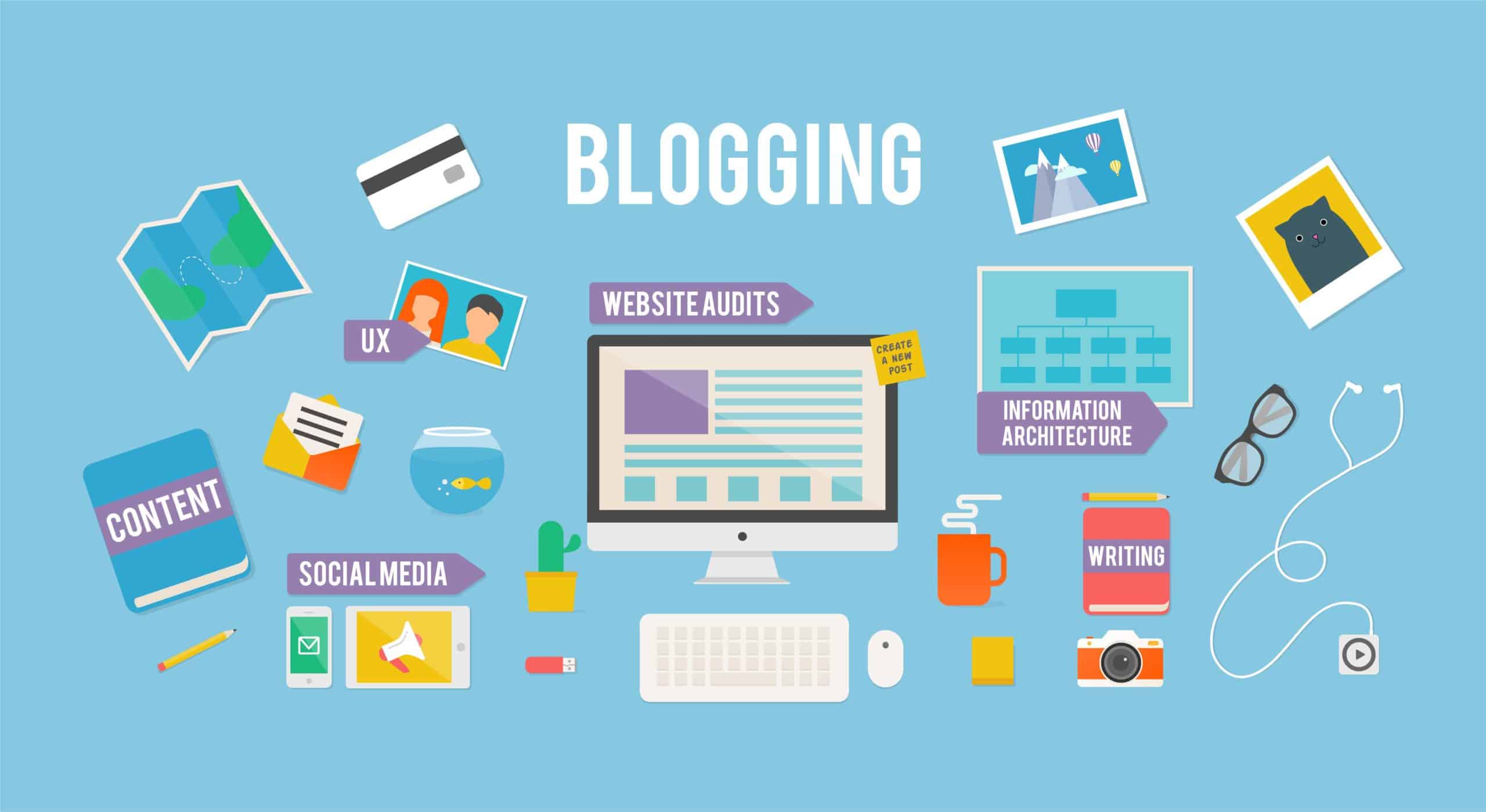
Blogging is the process of publishing informative and valuable articles on a website. It helps businesses attract visitors, build trust, and improve search engine rankings.
Types of Blogs
Blogs can be personal, business, educational, travel, technology, health, finance, food, or news blogs. Each type serves a different audience and purpose.
Blog Writing Process
A successful blog starts with keyword research, topic selection, content writing, editing, SEO optimization, and publishing. Regular updates keep content fresh and relevant.
SEO Blog Writing
SEO blog writing combines valuable content with keyword optimization. Proper headings, internal links, images, and user-friendly formatting improve search rankings.
Content Marketing
Content marketing focuses on creating useful content that educates, solves problems, and builds customer trust. Its goal is to attract and retain a targeted audience.
Content Strategy
A content strategy defines what content to create, who the target audience is, and how to achieve business goals through consistent publishing.
Content Calendar
A content calendar is a publishing schedule that organizes blog topics, keywords, deadlines, and publishing dates. It helps maintain consistency.
Pillar Content
Pillar content is a detailed guide covering a broad topic in depth. It becomes the main resource that links to related articles for better SEO.
Topic Clusters
Topic clusters are groups of related articles connected to a pillar page through internal links. This structure improves website organization and search engine understanding.
E-E-A-T (Experience, Expertise, Authoritativeness, and Trustworthiness)

E-E-A-T is a Google quality framework used to evaluate the credibility of content. It stands for Experience, Expertise, Authoritativeness, and Trustworthiness. Websites that demonstrate real knowledge, practical experience, and accurate information are more likely to earn user trust and perform better in search results.
Example: A certified doctor writing a detailed article about diabetes based on years of medical practice has stronger E-E-A-T than an anonymous writer copying information from other websites. Similarly, a travel blogger sharing personal experiences, original photos, and practical tips provides more trustworthy content than someone rewriting existing articles without firsthand knowledge.
Blog Monetization
Blog monetization means earning income from a blog through advertising, affiliate marketing, sponsored content, or selling digital products and services.
Google AdSense
Google AdSense displays relevant advertisements on your website. Bloggers earn revenue when visitors view or click on these ads.
Affiliate Marketing
Affiliate marketing allows bloggers to earn commissions by recommending products or services. Income is generated when readers purchase through affiliate links.
Sponsored Posts
Sponsored posts are paid articles created for brands to promote their products or services. They should be transparent and provide genuine value to readers.
WordPress SEO
WordPress SEO involves optimizing a WordPress website using SEO-friendly themes, plugins, fast loading speed, clean URLs, and high-quality content to improve search rankings.
Importance of SEO

SEO helps websites rank higher on search engines and attract organic traffic. It increases brand visibility, builds trust, and generates long-term business growth without relying only on paid advertising.
What is AEO (Answer Engine Optimization)?
AEO is the process of optimizing content so AI assistants and answer engines like ChatGPT, Google AI Overviews, Gemini, and voice assistants can directly answer users’ questions. It focuses on clear, structured, and factual content.
What is GEO (Generative Engine Optimization)?
GEO is the practice of optimizing content for AI-powered search engines and generative AI platforms. The goal is to make your website a trusted source that AI models use when generating answers.
What is AI SEO?
AI SEO uses artificial intelligence tools to improve keyword research, content creation, technical SEO, and competitor analysis. AI helps marketers work faster while maintaining content quality.
SEO vs AEO vs GEO
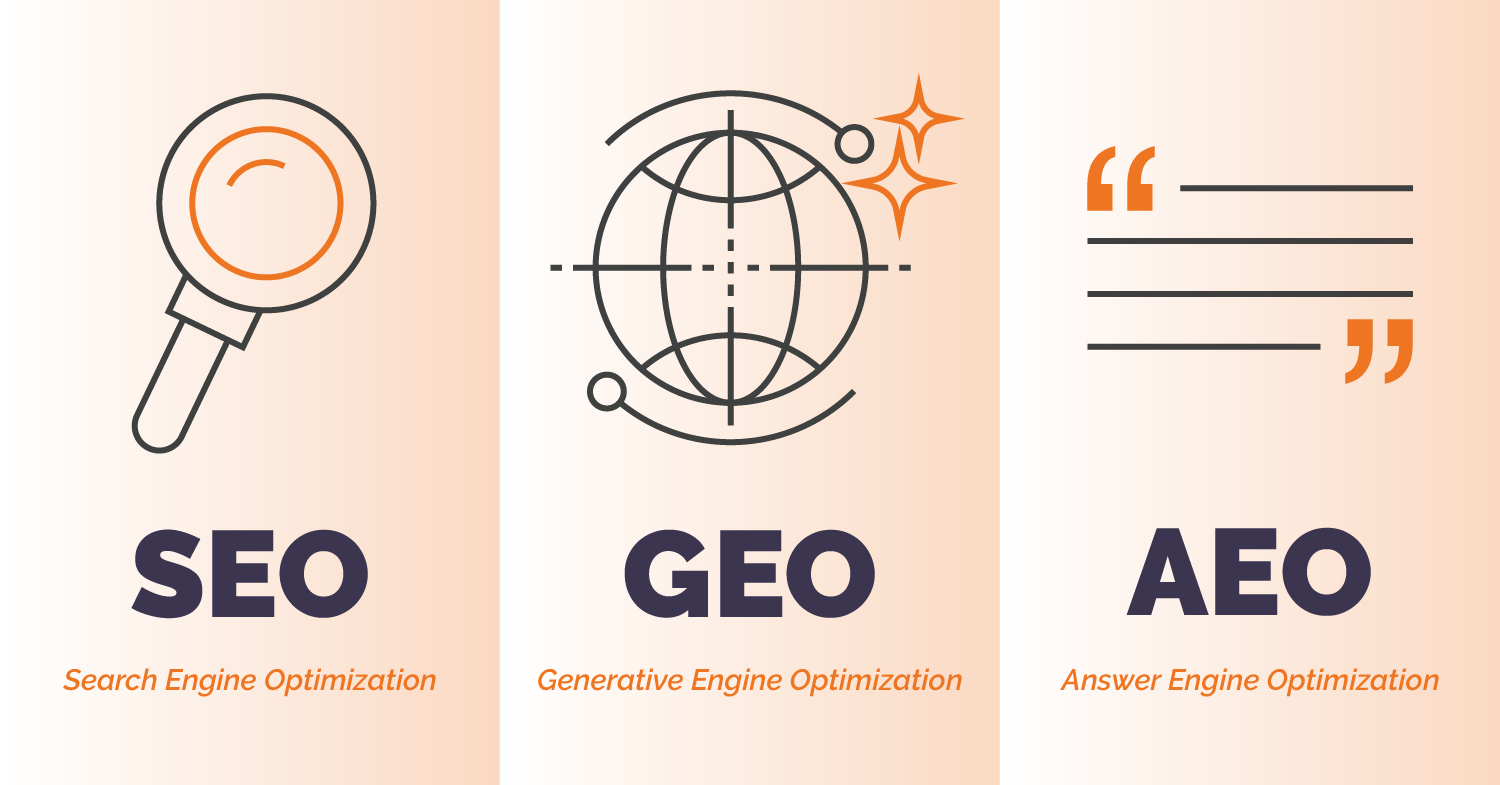
Although SEO, AEO, and GEO all improve online visibility, they focus on different search experiences.
SEO (Search Engine Optimization) aims to rank web pages higher on search engine result pages (SERPs). It focuses on keywords, backlinks, technical SEO, and high-quality content to increase website traffic.
AEO (Answer Engine Optimization) focuses on providing direct answers to users. Instead of only ranking a page, AEO helps your content appear as featured snippets, voice search results, or AI-generated answers. It uses FAQs, structured data, and concise explanations.
GEO (Generative Engine Optimization) is designed for the new generation of AI search. Instead of simply displaying links, AI platforms generate complete responses by combining information from trusted websites. GEO ensures your content is accurate, well-structured, original, and authoritative so AI systems are more likely to reference it.
Example: If someone searches “What is SEO?”, traditional SEO tries to rank your blog on Google’s first page. AEO helps Google or Alexa read your definition as the direct answer. GEO helps AI tools like ChatGPT or Google AI Overviews use your content while generating a complete response.
Voice Search SEO
Voice Search SEO optimizes content for spoken queries. Use conversational keywords, question-based headings, and simple answers to improve visibility.
Google Search Console
Google Search Console is a free tool that monitors website performance in Google Search. It helps identify indexing issues, keyword rankings, and technical SEO errors.
Google Analytics
Google Analytics tracks website traffic and user behavior. It provides valuable insights into visitors, conversions, engagement, and marketing performance.
Google Algorithm
Google’s algorithm is a set of rules that determines how webpages rank in search results. It evaluates content quality, relevance, backlinks, and user experience.
Google Updates
Google regularly releases algorithm updates to improve search quality. Websites with valuable and user-focused content usually benefit from these updates.
Google Penalty
A Google penalty occurs when a website violates search guidelines through spam, low-quality content, or manipulative SEO practices. Rankings and traffic may decrease significantly.
Recovering from a Google Penalty
Recovery involves identifying the cause, removing harmful backlinks, improving content quality, fixing technical issues, and following Google’s SEO guidelines. Patience and consistent improvements are essential.
Future of SEO
The future of SEO is driven by AI, voice search, personalized search, user experience, and generative search engines. Businesses that create helpful, trustworthy, and experience-based content while optimizing for SEO, AEO, and GEO will have the best chance of ranking in both traditional search engines and AI-powered search platforms.
Introduction Email & SMS Marketing

Email and SMS marketing are direct digital marketing channels used to communicate with customers. They help businesses share updates, promote products, build relationships, and increase sales through personalized messages.
Email Marketing Strategy
A successful email marketing strategy starts by understanding your target audience and setting clear goals. Send valuable, personalized emails at the right time, monitor performance, and continuously improve campaigns based on user behavior.
Email List Building
Email list building is the process of collecting email addresses from interested users. Businesses can grow their lists through website forms, newsletters, lead magnets, webinars, and special offers. Always collect emails with user permission to maintain trust and improve engagement.
Newsletter
A newsletter is a regular email sent to subscribers with useful content, company news, offers, or updates. Well-designed newsletters keep customers informed, strengthen brand loyalty, and encourage repeat visits.
Email Automation
Email automation sends emails automatically based on user actions or schedules. Examples include welcome emails, abandoned cart reminders, birthday wishes, order confirmations, and follow-up messages. Automation saves time while delivering personalized customer experiences.
CTR (Click-Through Rate)
CTR measures how many recipients click on a link in an email after opening it. A higher CTR indicates that your subject line, content, and call-to-action (CTA) successfully encourage users to take action.
Bounce Rate
Bounce rate refers to emails that fail to reach recipients’ inboxes. A hard bounce happens when an email address is invalid, while a soft bounce occurs due to temporary issues like a full inbox or server problem. Maintaining a clean email list helps reduce bounce rates.
SMS Marketing
SMS marketing uses text messages to deliver promotions, reminders, OTPs, appointment confirmations, and limited-time offers directly to customers’ mobile phones. Since SMS messages have high open rates and are usually read within minutes, they are highly effective for urgent communication. Businesses should always obtain customer consent before sending promotional SMS messages to comply with privacy regulations.
Search Engine Marketing (SEM)
Search Engine Marketing (SEM) is a digital marketing strategy that promotes websites through paid advertisements on search engines like Google. Businesses bid on keywords so their ads appear when users search for related products or services. SEM delivers instant visibility, targeted traffic, and measurable results.
Introduction to SEM
SEM combines keyword research, paid advertising, audience targeting, and campaign optimization to generate leads and sales. Unlike SEO, which takes time to rank organically, SEM can drive traffic almost immediately after a campaign goes live.
Google Ads Overview
Google Ads is Google’s online advertising platform where businesses create and manage paid campaigns. Advertisers can display ads on Google Search, YouTube, Gmail, Google Maps, and millions of websites in the Google Display Network.
Campaign Objectives
Every SEM campaign starts with a clear objective. Common objectives include Brand Awareness, Website Traffic, Lead Generation, Sales, App Promotion, Product Consideration, and Customer Engagement. Choosing the right objective helps Google optimize ads for better results.
Campaign Structure
A Google Ads account follows a simple structure:
Account → Overall business profile.
Campaign → Defines budget, bidding, and objective.
Ad Group → Organizes related keywords and ads.
Keywords & Ads → Target user searches with relevant advertisements.
A well-organized campaign structure improves Quality Score and campaign performance.
Important SEM Metrics
Impressions
Impressions show how many times your ad appears on users’ screens, whether they click it or not.
Reach
Reach represents the number of unique users who see your advertisement.
Clicks
Clicks measure how many users clicked your ad to visit your website or landing page.
CTR (Click-Through Rate)
CTR measures the percentage of users who click your ad after seeing it.
Formula:
CTR = (Clicks ÷ Impressions) × 100
A higher CTR usually indicates that your ad is relevant and engaging.
CPC (Cost Per Click)
CPC is the amount you pay each time someone clicks your advertisement. Lower CPC with high-quality traffic improves campaign efficiency.
CPM (Cost Per Mille)
CPM is the cost of one thousand ad impressions. It is mainly used for brand awareness campaigns.
CPL (Cost Per Lead)
CPL measures the average cost of generating one qualified lead through advertising.
CPA (Cost Per Acquisition)
CPA calculates how much it costs to gain one customer or completed conversion.
ROAS (Return on Ad Spend)
ROAS measures the revenue earned for every ₹1 spent on advertising.
A higher ROAS means the advertising campaign is more profitable.
ROI (Return on Investment)
ROI measures the overall profit earned compared to the total marketing investment. It helps businesses evaluate the success of their campaigns.
Leads
Leads are potential customers who show interest by filling out forms, calling the business, downloading resources, or requesting information.
Conversions
A conversion happens when a user completes a desired action, such as making a purchase, submitting a form, or subscribing to a newsletter.
Conversion Rate
Conversion Rate measures the percentage of visitors who complete a desired action after clicking the advertisement.
Quality Score
Quality Score is Google’s rating of your keywords and advertisements. It depends on keyword relevance, expected CTR, landing page quality, and ad experience. A higher Quality Score can reduce advertising costs and improve ad rankings.
Google Ads Formats

Search Ads
Text advertisements that appear at the top of Google Search results when users search for relevant keywords.
Display Ads
Visual banner advertisements shown across websites, mobile apps, and Google’s Display Network.
Dynamic Search Ads
Dynamic Search Ads automatically generate headlines and landing pages based on your website content, making them useful for large websites.
Video Ads
Video advertisements are displayed on YouTube and Google’s video partner websites to increase awareness and engagement.
Shopping Ads
Shopping Ads display product images, prices, store names, and reviews directly in Google Search, making them ideal for eCommerce businesses.
Performance Max
Performance Max is an AI-powered campaign that automatically shows ads across Google Search, YouTube, Gmail, Display, Maps, and Discover using machine learning to maximize conversions.
Demand Gen Ads
Demand Gen campaigns use visually rich images and videos across YouTube, Discover, and Gmail to create demand and engage potential customers before they actively search.
App Promotion Ads
These campaigns help businesses increase app installs, in-app purchases, and user engagement across Google’s advertising platforms.
Campaign Optimization
A/B Testing
A/B testing compares two versions of an advertisement by changing one element, such as the headline, image, or CTA. It helps identify which version performs better and improves campaign results.
Split Testing
Split testing compares completely different ads or audience segments to determine the most effective marketing strategy.
Ad Extensions
Ad extensions add extra information such as phone numbers, business locations, sitelinks, prices, callouts, and promotions. They increase ad visibility and improve click-through rates.
Bid Strategies
Google Ads offers bidding strategies such as Manual CPC, Maximize Clicks, Maximize Conversions, Target CPA, Target ROAS, and Target Impression Share. Selecting the right strategy depends on your campaign objective and budget.
Audience Targeting
Audience targeting allows advertisers to reach specific users based on demographics, interests, online behavior, location, device, and previous interactions. Better targeting improves ad relevance and reduces wasted spending.
Remarketing
Remarketing targets users who previously visited your website or interacted with your business but did not convert. Showing personalized ads encourages them to return and complete the desired action.
Conversion Tracking
Conversion tracking measures important actions such as purchases, form submissions, phone calls, app installs, and newsletter sign-ups. It provides accurate performance data, helping marketers optimize campaigns, improve ROI, and make data-driven advertising decisions.
Social Media Marketing (SMM)

Social Media Marketing (SMM) is the process of promoting a business, product, or personal brand through social media platforms. It helps businesses increase brand awareness, engage with customers, generate leads, and drive sales. A successful SMM strategy combines organic content with paid advertising to reach the right audience.
Facebook & Instagram Marketing
Platform Overview
Facebook and Instagram are two of the world’s most popular social media platforms owned by Meta. Businesses use them to share content, interact with customers, run advertising campaigns, and build long-term relationships.
Profile Optimization
A professional profile creates a strong first impression. Use a high-quality logo, an attractive cover image, a keyword-rich bio, complete business information, website links, contact details, and action buttons like Call Now or Shop Now.
Content Strategy
An effective content strategy includes educational posts, promotional content, customer testimonials, behind-the-scenes videos, reels, stories, polls, and user-generated content. Following the 80/20 rule—80% valuable content and 20% promotional content—helps maintain audience engagement.
Organic Marketing
Organic marketing grows your audience without paying for advertisements. Consistent posting, engaging captions, hashtags, comments, stories, and community interaction increase reach naturally over time.
Meta Business Suite
Meta Business Suite is a free tool that helps businesses manage Facebook and Instagram from one dashboard. Users can schedule posts, reply to messages, monitor insights, and manage multiple pages efficiently.
Meta Ads Manager
Meta Ads Manager is the advertising platform for creating and managing paid campaigns. It allows advertisers to control budgets, audience targeting, placements, bidding strategies, and campaign performance.
Campaign Objectives
Common campaign objectives include Awareness, Traffic, Engagement, Leads, App Promotion, Sales, and Conversions. Choosing the correct objective helps Meta optimize ad delivery.
Audience Targeting
Meta allows advertisers to target users based on age, gender, location, language, interests, online behavior, custom audiences, and lookalike audiences. Precise targeting improves ad relevance and reduces advertising costs.
Ad Creatives
Ad creatives include images, videos, carousel ads, reels, stories, headlines, descriptions, and call-to-action buttons. High-quality visuals with clear messaging significantly improve engagement and conversion rates.
Budget & Scheduling
Businesses can set daily budgets or lifetime budgets and schedule campaigns to run during specific dates or times. Proper budgeting helps maximize return on advertising investment.
Performance Tracking
Meta provides detailed metrics such as Reach, Impressions, Clicks, CTR, CPC, CPM, Conversions, Cost Per Result, and ROAS. Regular analysis helps improve future campaigns.
LinkedIn Marketing
Overview
LinkedIn is the world’s largest professional networking platform. It is widely used for B2B marketing, recruitment, professional networking, lead generation, and personal branding.
Profile Optimization
A complete LinkedIn profile should include a professional profile photo, banner image, keyword-rich headline, detailed About section, work experience, certifications, skills, and recommendations.
Company Page
A LinkedIn Company Page showcases business information, services, products, career opportunities, and company updates. Regular posting helps increase credibility and brand authority.
LinkedIn SEO
LinkedIn SEO improves profile visibility by using relevant industry keywords in headlines, summaries, experience, skills, and company descriptions. Optimized profiles appear higher in LinkedIn and Google search results.
Content Strategy
Successful LinkedIn content includes industry insights, case studies, articles, success stories, company news, polls, infographics, and educational videos. Consistent value-driven content builds professional trust.
Lead Generation
LinkedIn is one of the best platforms for B2B lead generation. Businesses connect with decision-makers, join industry groups, publish valuable content, and use LinkedIn Sales Navigator to find qualified prospects.
LinkedIn Ads
LinkedIn Ads include Sponsored Content, Message Ads, Dynamic Ads, Carousel Ads, and Text Ads. These campaigns help generate high-quality business leads.
Analytics
LinkedIn Analytics tracks profile views, follower growth, post engagement, website clicks, and lead generation performance.
YouTube Marketing
Channel Optimization
Optimize your YouTube channel with a professional logo, banner, keyword-rich description, custom URL, channel trailer, and organized playlists to improve branding and discoverability.
YouTube SEO
YouTube SEO improves video rankings by optimizing titles, descriptions, tags, captions, chapters, thumbnails, and watch time. Higher engagement signals help videos rank better.
Keyword Research
Research keywords using YouTube Search Suggestions, Google Trends, TubeBuddy, VidIQ, and Keyword Planner. Target keywords with strong search volume and lower competition.
Video Optimization
Optimize every video with an engaging title, keyword-rich description, timestamps, hashtags, subtitles, and clear calls-to-action such as subscribing or visiting a website.
Thumbnail Design
A thumbnail is often the first thing viewers notice. Use bold text, expressive faces, contrasting colors, and a clean design to increase click-through rates.
Playlist Optimization
Group related videos into playlists using keyword-rich titles and descriptions. Playlists increase watch time and improve channel organization.
Shorts Strategy
YouTube Shorts are vertical videos under 60 seconds designed for quick engagement. Consistent Shorts with trending topics, strong hooks, and clear captions help increase subscribers and reach new audiences.
Video Ads
YouTube Video Ads include Skippable Ads, Non-Skippable Ads, In-Feed Ads, Bumper Ads, and Masthead Ads. Businesses use them to build awareness and drive conversions.
App Install Ads
App Promotion campaigns encourage users to download mobile applications directly from YouTube advertisements, making them effective for app developers.
Shopping Promotion
Shopping promotions allow businesses to showcase products directly below videos. Viewers can explore products and make purchases without leaving the YouTube ecosystem.
Analytics
YouTube Analytics provides valuable insights such as Views, Watch Time, Audience Retention, CTR, Subscribers, Revenue, Traffic Sources, and Demographics. Monitoring these metrics helps creators improve future content.
X (Twitter) Marketing
Platform Overview
X (formerly Twitter) is a real-time social media platform where users share short posts, news, opinions, and trending discussions. It is highly effective for brand awareness, customer engagement, and live event marketing.
Profile Optimization
An optimized X profile includes a professional profile picture, banner image, keyword-rich bio, website link, business location, and consistent brand identity.
Followers
Followers are users who subscribe to your account to receive updates. Growing an active and relevant follower base increases content reach and credibility.
Retweets
Retweets allow users to share your posts with their audience. High-quality and engaging content naturally earns more retweets and expands brand visibility.
Hashtags
Hashtags categorize content and make posts easier to discover. Use a few relevant hashtags instead of excessive tagging for better engagement.
Trending Topics
Trending Topics highlight the most discussed subjects on the platform. Creating timely and relevant content around trends can significantly increase visibility.
Engagement Strategy
An effective strategy includes posting consistently, replying to comments, joining conversations, running polls, sharing valuable insights, and interacting with followers. Active engagement builds stronger relationships and improves brand loyalty.
X Ads Manager
X Ads Manager allows businesses to create, manage, and optimize paid advertising campaigns. Advertisers can control budgets, targeting, bidding, and campaign performance from a single dashboard.
Campaign Types
X offers campaign objectives such as Reach, Engagement, Website Traffic, Video Views, App Installs, Conversions, and Followers. Choosing the right objective helps achieve specific marketing goals.
Analytics
X Analytics measures impressions, engagement rate, profile visits, follower growth, link clicks, video views, and conversions. Regular analysis helps marketers understand audience behavior and improve campaign performance.
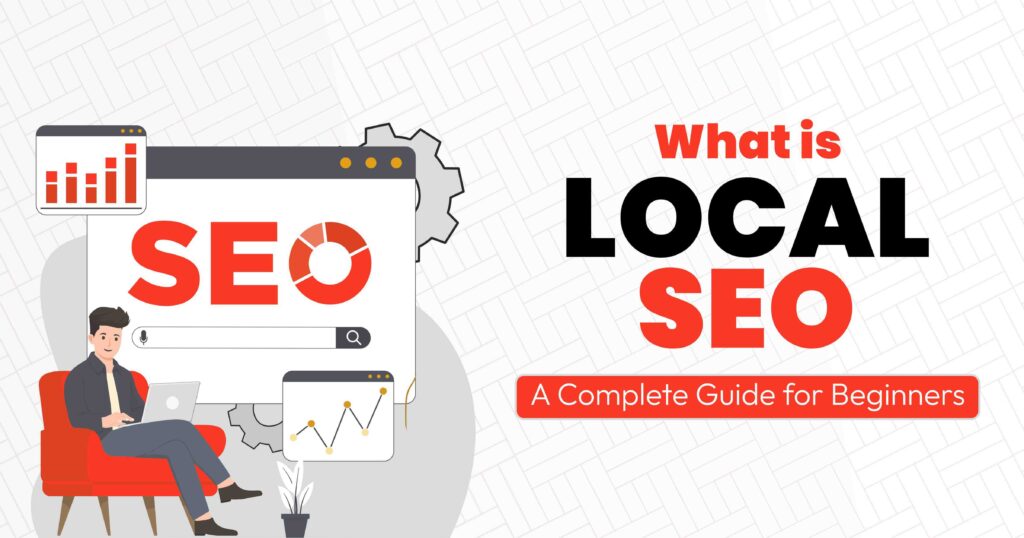
Local SEO
What is Local SEO?
Local SEO is the process of optimizing a business to appear in local search results and Google Maps. It helps nearby customers find products or services when they search for terms like “restaurant near me” or “digital marketing institute in Mumbai.”
Google Business Profile (GBP)
Google Business Profile is a free tool that allows businesses to manage their online presence across Google Search and Google Maps. A complete profile with business details, photos, services, and operating hours improves local visibility.
Business Verification
Business verification confirms that your business is genuine. Once verified through Google, your business becomes eligible to appear in local search results and Google Maps.
NAP Consistency
NAP stands for Name, Address, and Phone Number. These details should remain exactly the same across your website, Google Business Profile, and all online directories to improve local SEO performance.
Customer Reviews
Positive customer reviews increase trust and improve local rankings. Businesses should encourage satisfied customers to leave genuine reviews and respond professionally to all feedback.
Google Maps Ranking
Google Maps rankings depend on relevance, distance, and business prominence. Complete business information, quality reviews, local citations, and regular updates improve ranking.
Local Keywords
Local keywords include location-specific terms such as “Best SEO Agency in india” or “Coffee Shop in Mumbai.” These keywords help businesses attract nearby customers.
Location Pages
Businesses with multiple branches should create separate pages for each location. Every page should include local keywords, business details, contact information, and unique content.
Analytics & Reporting
Google Analytics 4 (GA4)
Google Analytics 4(GA4) tracks website visitors, user behavior, traffic sources, engagement, and conversions. It helps businesses understand how users interact with their websites.
Google Search Console
Google Search Console monitors website performance in Google Search. It provides keyword rankings, indexing status, technical errors, and search performance reports.
Google Tag Manager (GTM)
Google Tag Manager allows marketers to add tracking codes without editing website code. It simplifies event tracking, analytics setup, and conversion measurement.
Looker Studio
Looker Studio creates interactive dashboards by combining data from GA4, Search Console, Google Ads, and other platforms into easy-to-understand reports.
UTM Parameters
UTM parameters are tracking tags added to URLs to identify where website traffic comes from, such as email campaigns, social media, or paid advertisements.
KPI Tracking
Key Performance Indicators (KPIs) measure marketing success. Common KPIs include organic traffic, leads, conversions, CTR, ROAS, bounce rate, and customer acquisition cost.
SEO Reports
SEO reports summarize keyword rankings, backlinks, technical issues, traffic growth, and overall website performance to measure SEO progress.
Traffic Analysis
Traffic analysis identifies visitor sources, popular pages, user behavior, and audience demographics to improve marketing strategies.
Conversion Tracking
Conversion tracking measures actions like purchases, form submissions, phone calls, or newsletter sign-ups. It helps calculate campaign effectiveness and ROI.
Dashboard Creation
Marketing dashboards combine important metrics into one visual report. They allow businesses to monitor performance and make faster, data-driven decisions.
AI in Digital Marketing (2026)

AI Tools for Marketing
Artificial Intelligence helps marketers automate repetitive tasks, analyze data, create content, personalize customer experiences, and improve campaign performance.
ChatGPT
ChatGPT helps generate blog posts, ad copy, emails, social media content, SEO ideas, and marketing strategies using conversational AI.
Gemini
Google Gemini assists with content creation, research, coding, brainstorming, and integration with Google’s ecosystem for productivity and marketing tasks.
Claude
Claude is an AI assistant designed for long-form writing, document analysis, research, and detailed content creation with natural language understanding.
Perplexity AI
Perplexity AI combines AI with real-time web search to provide accurate, referenced answers for research, content planning, and SEO.
AI Content Creation
AI can generate blogs, product descriptions, email campaigns, social media posts, scripts, and marketing copy. Human editing ensures originality, accuracy, and brand voice.
AI SEO
AI SEO tools assist with keyword research, content optimization, technical SEO audits, competitor analysis, and search intent analysis to improve rankings.
AI Image Generation
Tools like DALL·E, Midjourney, and Adobe Firefly create marketing images, social media graphics, banners, logos, and product visuals from text prompts.
AI Video Generation
AI video tools generate promotional videos, explainers, subtitles, voiceovers, avatars, and short-form content, reducing production time.
AI Automation
AI automates email marketing, chatbots, lead nurturing, customer support, social media scheduling, and campaign optimization, improving efficiency and productivity.
AI Prompt Engineering
Prompt engineering is the skill of writing clear and detailed instructions for AI tools. Well-crafted prompts produce more accurate, creative, and useful outputs, making it an essential digital marketing skill in 2026.
Digital Marketing Tools

Digital marketing tools help marketers plan, execute, analyze, and improve online marketing campaigns. Using the right tools saves time, increases productivity, and helps businesses make data-driven decisions.
Google Search Console
Google Search Console is a free SEO tool that monitors website performance in Google Search. It helps track keyword rankings, indexing status, crawl errors, backlinks, and overall website health.
Google Analytics 4 (GA4)
Google Analytics 4(GA4) measures website traffic, user behavior, conversions, and customer journeys. It provides valuable insights that help businesses optimize their marketing strategies.
Google Tag Manager (GTM)
Google Tag Manager allows marketers to install tracking codes, pixels, and analytics tags without modifying website code, making campaign tracking easier.
Google Keyword Planner
Google Keyword Planner helps discover keyword ideas, search volume, competition levels, and estimated advertising costs for SEO and Google Ads campaigns.
Ahrefs
Ahrefs is a powerful SEO tool used for backlink analysis, keyword research, competitor analysis, website audits, and rank tracking.
SEMrush
SEMrush provides complete digital marketing solutions, including SEO audits, PPC research, keyword tracking, content marketing, and competitor analysis.
Ubersuggest
Ubersuggest is a beginner-friendly SEO tool that helps users find keyword ideas, analyze competitors, generate content ideas, and perform website audits.
Screaming Frog
Screaming Frog is a website crawler that identifies broken links, duplicate content, missing meta tags, redirect issues, and other technical SEO problems.
Yoast SEO
Yoast SEO is a popular WordPress plugin that improves on-page SEO by optimizing titles, meta descriptions, readability, XML sitemaps, and content structure.
Rank Math
Rank Math is another WordPress SEO plugin offering advanced features such as schema markup, keyword optimization, redirection management, and SEO scoring.
Canva
Canva is a graphic design platform used to create social media posts, banners, presentations, infographics, thumbnails, logos, and marketing materials without advanced design skills.
Meta Business Suite
Meta Business Suite manages Facebook and Instagram pages from one dashboard. It supports post scheduling, messaging, analytics, and campaign management.
Google Ads
Google Ads allows businesses to create paid advertising campaigns across Google Search, YouTube, Gmail, Maps, and the Display Network.
Looker Studio
Looker Studio converts marketing data into interactive dashboards and reports, making performance analysis easier.
Mailchimp
Mailchimp is an email marketing platform used to create newsletters, automate email campaigns, manage subscribers, and analyze campaign performance.
Final Practical Projects
The final projects allow learners to apply their digital marketing knowledge to real-world scenarios and build a professional portfolio.
Complete Website SEO Audit
Analyze a website for technical issues, on-page SEO, backlinks, page speed, indexing, and user experience. Prepare a detailed report with recommendations for improvement.
Keyword Research Project
Conduct keyword research using professional SEO tools. Select primary, secondary, and long-tail keywords based on search volume, competition, and user intent.
On-Page SEO Optimization
Optimize titles, meta descriptions, URLs, headings, images, internal links, and content to improve search engine rankings.
Technical SEO Audit
Identify crawl errors, broken links, duplicate content, mobile usability issues, Core Web Vitals, XML sitemap problems, and website security improvements.
Off-Page SEO Campaign
Develop an ethical backlink strategy through guest posting, business listings, local citations, social bookmarking, and other White Hat SEO techniques.
Blog Writing Project
Write an SEO-friendly blog using keyword research, proper headings, internal linking, images, and E-E-A-T principles to improve organic visibility.
Google Ads Campaign
Create and optimize a Google Ads campaign by selecting campaign objectives, keywords, audience targeting, bidding strategies, ad copy, and conversion tracking.
Meta Ads Campaign
Plan and launch Facebook and Instagram advertising campaigns with the right audience targeting, creative design, budget planning, and performance analysis.
LinkedIn Marketing Campaign
Create a professional LinkedIn profile or company page, publish valuable content, generate B2B leads, and analyze campaign performance.
YouTube SEO Project
Optimize a YouTube channel and videos using keyword research, engaging thumbnails, optimized titles, descriptions, playlists, and YouTube Analytics.
Google Business Profile Optimization
Create or optimize a Google Business Profile by updating business information, collecting customer reviews, adding photos, and improving Google Maps visibility.
Digital Marketing Portfolio
Build a professional portfolio showcasing SEO projects, ad campaigns, analytics reports, certifications, blog writing samples, and practical achievements. A strong portfolio demonstrates your skills to employers and clients.
Monthly SEO Report
Prepare a professional SEO report covering keyword rankings, website traffic, backlinks, technical improvements, conversions, and recommendations for future growth.
Final Digital Marketing Case Study
Complete a real-world digital marketing case study by analyzing a business, identifying challenges, creating a complete marketing strategy, implementing SEO, SEM, social media, and content marketing techniques, then measuring the results using analytics. This project demonstrates your ability to solve business problems using digital marketing and serves as the final proof of your practical skills.
Click here to visit our Homepage and explore Digital Marketing Services, SEO tips, and AI-powered marketing strategies.

Pingback: AI SEO in 2026: Powerful Ways AI Is Changing Search Rankings